Learn the difference between static and dynamic QR codes, how each works, and which QR code type is right for your website, WiFi, documents, or campaigns.
Static vs. Dynamic QR Codes: Key Differences
QR codes make it easy to connect printed materials with digital content, but not every QR code works the same way. The two main types are static QR codes and dynamic QR codes. The key difference is simple: a static QR code stores the content directly and can’t be edited after creation, while a dynamic QR code uses a redirect link that lets you change the destination and review scan statistics later. Understanding that difference can help you choose the right QR code before printing it on packaging, menus, posters, business cards, or other materials. If you're ready to create a QR code, you can use QRCode-Gen to generate static or dynamic QR codes for different types of content, including websites, WiFi, PDFs, and vCards.
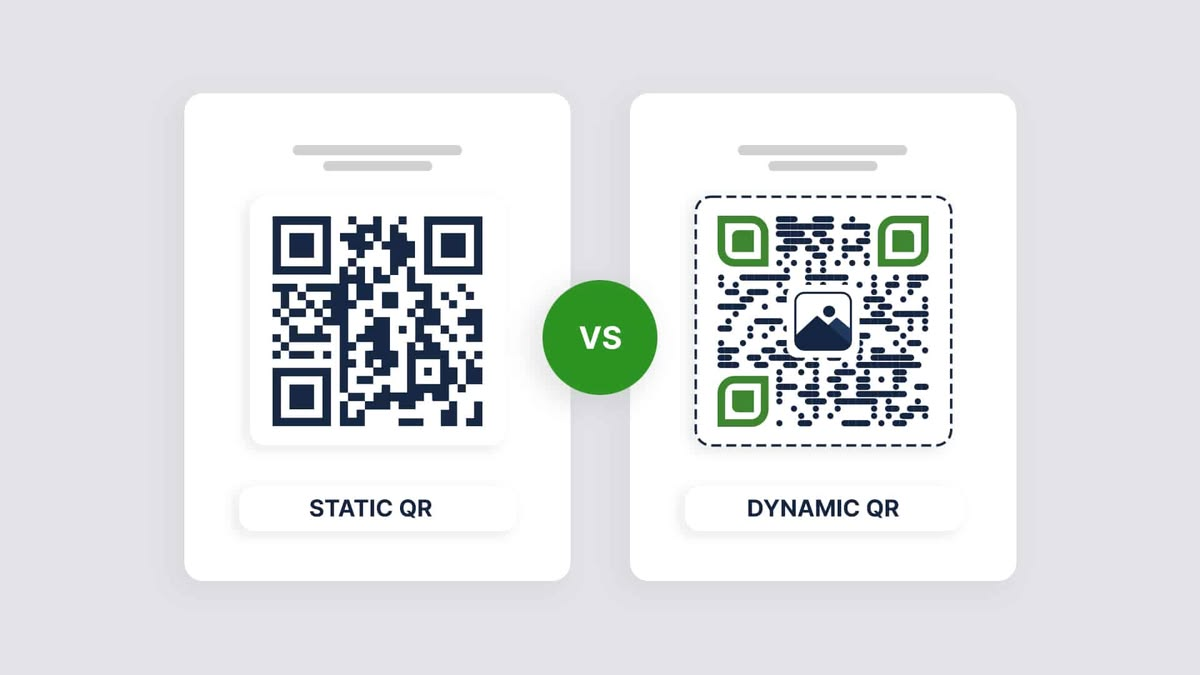
Comparison of Static QR vs Dynamic QR codes
How Does a Static QR Code Work?
The process is relatively simple:
- You enter the information you want to share.
- The QR generator converts that information into a QR pattern.
- You download or print the QR code.
- A user scans it with a smartphone.
- The phone reads the information stored in the code.
Because the information is already encoded in the QR pattern, there is no destination setting to update later. This is also why static QR codes are not editable. If you create a static QR code containing one URL and later want to send visitors somewhere else, changing the destination requires creating a new QR code. QRCode-Gen's Static QR Code is designed for this type of fixed information.
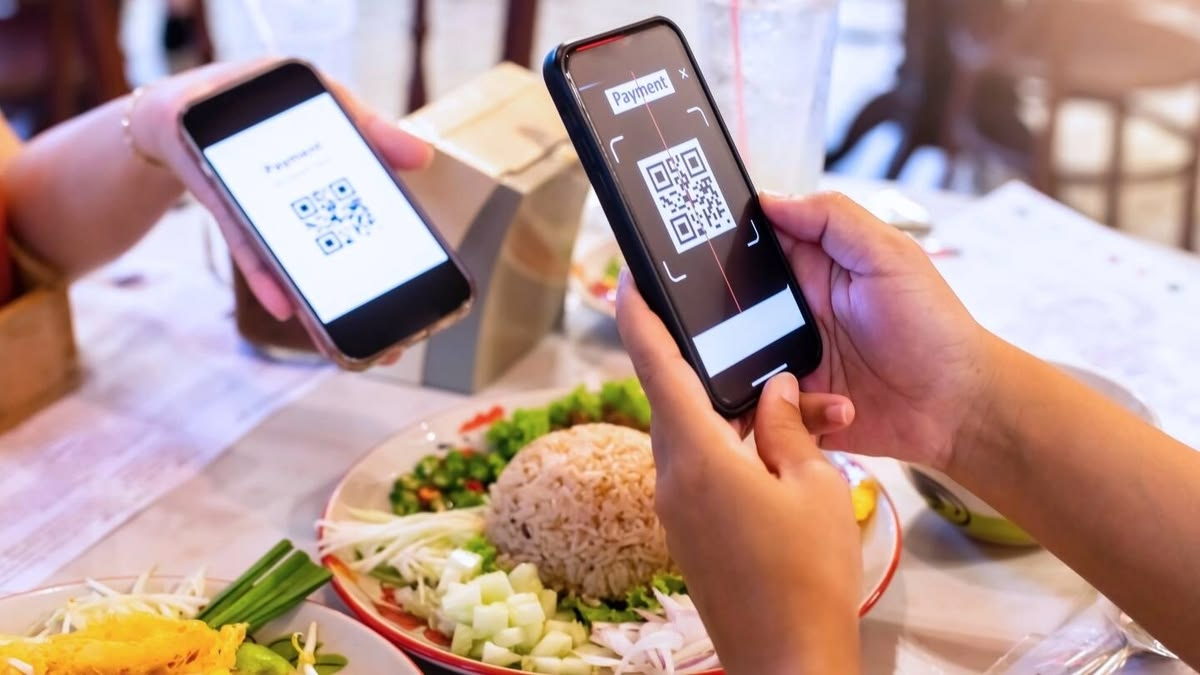
Scanning a QR code payment on smartphones at a restaurant table
Advantages of Static QR Codes
- No redirect dependency: The information is stored directly in the QR code, so a managed redirect service is not required.
- Good for permanent information: Static QR codes are ideal for content that is unlikely to change, making an editable redirect layer unnecessary.
- Suitable for offline-ready information: Some static QR types, such as WiFi and vCard codes, store the information directly so the phone can read it without first contacting a redirect service.
- Simple to manage: Once generated, a static QR code requires no destination dashboard or ongoing redirect system to maintain.
Limitations of Static QR Codes
The main limitation is that the information can’t be changed after the QR code has been created. For example, if you print 5,000 brochures with a static QR code linking to an old website page, changing that page's destination does not update the printed code. You would need to create a new QR code and replace the printed materials. Static QR codes also don’t provide the same built-in scan management and analytics capabilities associated with dynamic QR codes. For these reasons, static QR codes are most appropriate when the information is genuinely stable.
How Does a Dynamic QR Code Work?
A typical dynamic QR code follows this process:
- You create a dynamic QR code.
- The system generates a managed redirect link.
- That redirect link is encoded into the QR pattern.
- You print or publish the QR code.
- A user scans the code.
- The redirect service receives the scan.
- The service sends the user to the current destination.
The important part is step six and seven. Because the printed QR code points to a managed redirect rather than directly to the final destination, you can change the destination without changing the QR image. QRCode-Gen's Dynamic QR Code supports this type of workflow, allowing the destination to be updated after printing and providing scan information such as time, device type, and approximate location.

Scanning a Dynamic QR code
Advantages of Dynamic QR Codes
- Edit the destination after printing: This is the biggest advantage of dynamic QR codes. You can update where the QR code sends visitors without creating and distributing a replacement QR image.
- Reduce reprinting: For posters, menus, packaging, brochures, signs, and other physical materials, changing the destination does not require replacing the printed QR code.
- Track scan activity: Depending on the platform and plan, dynamic QR codes can provide data such as scan totals, scan time, device type, and approximate location, helping businesses measure campaign performance.
- Better for campaigns: A single QR code can point to different landing pages, promotions, or campaign content over time while the printed QR image remains unchanged.
- Useful for long-term printed materials: Dynamic QR codes are particularly valuable when a code may stay in circulation for months or years while the information behind it is expected to change.
Limitations of Dynamic QR Codes
Dynamic QR codes also introduce a dependency that static QR codes don’t have. The scanner needs to reach the redirect service before being sent to the final destination. Therefore, the dynamic QR code depends on the short-link and redirect system remaining active. This does not mean the QR image itself automatically expires. Rather, the redirect infrastructure behind the code needs to remain available. Dynamic QR codes may also involve account, scan-limit, or subscription considerations depending on the provider and plan.
Static vs. Dynamic QR Codes: Key Differences
The biggest difference isn’t how the QR pattern looks. Both can look almost identical when printed. The difference is what the QR code contains and what happens after it is scanned.
FeatureStatic QR CodeDynamic QR CodeInformationStored directly in the QR codeUses a managed redirect linkDestination editableNoYesCan change after printingNoYesReprinting required after a destination changeYesNoRedirect serviceNot requiredRequiredScan analyticsGenerally not availableAvailable depending on provider/planBest forStable informationChangeable informationWiFiExcellent choiceUsually unnecessaryvCardExcellent choice for fixed detailsUseful when contact details may changeWebsite URLBest when URL is permanentBest when URL may changePDF/documentSuitable for a fixed destinationBetter when the document may be replacedMarketing campaignsLimitedStrong choiceLong-term printed materialsGood for permanent informationBetter when updates are expected
Static vs. Dynamic QR Code: Which Is More Flexible?
Dynamic QR codes are more flexible because the destination can be changed after the QR code has been printed. However, flexibility doesn’t automatically make dynamic the better choice. If you are creating a QR code for a WiFi network that will remain unchanged, adding a redirect layer may provide little practical benefit. A static QR code can keep the setup simple. On the other hand, if you’re printing thousands of product labels and expect the linked landing page to change, dynamic is usually the more practical option. The right choice depends on how stable the information is, not simply on which QR type has more features.
Frequently Asked Questions
Can You Change a QR Code After Printing?
It depends on which type you created. A static QR code cannot be edited after printing because its content is already stored directly in the QR pattern. If the destination changes, you need to generate a new code. A dynamic QR code can be updated after printing because the printed code contains a managed redirect link rather than the final destination. You can change the destination while keeping the same QR image in use. This is one of the biggest reasons businesses choose dynamic QR codes for long-term printed materials.
Do Static and Dynamic QR Codes Expire?
QRCode-Gen's current FAQ states that static QR codes do not expire automatically, while its dynamic QR codes currently have no time or scan limit either. However, a dynamic QR code depends on its short-link and redirect service remaining active. In other words, choosing dynamic does not automatically mean the QR code has a short lifespan. The important difference is that dynamic codes rely on the redirect system that manages their destination.
Which QR Code Should You Choose?
The choice is easier if you start with one question: “Will the information ever need to change after you create or print the QR code?” If the answer is no, a static QR code is usually the straightforward choice. It stores the information directly and works well for stable content such as WiFi, vCards, text, and permanent links. If the answer is yes, choose a dynamic QR code. You can update the destination without replacing the printed QR image, and you can review scan trends to understand how the code is being used.
Final Thoughts
Static and dynamic QR codes serve different purposes rather than one being universally better than the other. Static QR codes are ideal for fixed information that will not need editing. Dynamic QR codes are better for content that may change, especially when a QR code is already printed or when scan statistics are useful. Before printing a large batch, decide whether the destination is truly permanent. If it is, static keeps things simple. If you expect updates, campaigns, changing documents, or changing links, dynamic gives you much more flexibility.
Related articles
Everything You Need to Know About Dynamic QR Codes
How to Create a QR Code for a Link? The Quickest and Easiest Way to Generate a QR Code