QR codes appear in more places than most people realize. In a supermarket alone, you may find them on price tags, checkout counters, and product packaging. QR code generators can support business, personal, advertising, and non-commercial uses by turning a wide range of content into a scannable code.
Beyond the usual applications, interactive QR codes can also work in unexpected settings. Here are several ideas to consider.
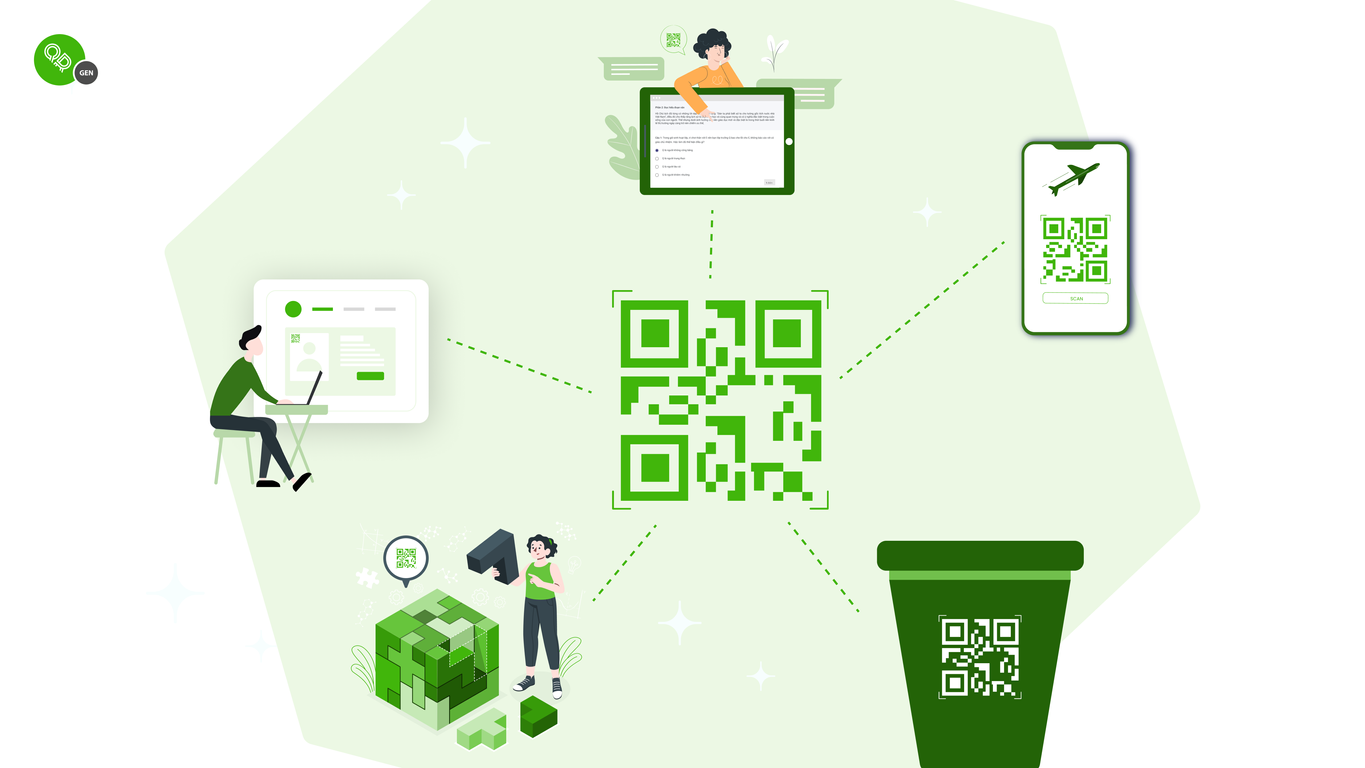
Unexpected places to use QR codes
Recruitment ads
A QR code can contain a job description or other hiring information. It can also be part of a talent test. For example, a tattoo studio in Turkey worked with an advertising agency on a recruitment ad for a tattoo artist. Applicants had to draw the missing squares in a QR code before they could scan it, making the task part of the application process.
Trash bins
QR codes can help communicate the importance of recycling. In the United States, RecycleBank places QR codes on trash bins to encourage people to recycle. After scanning, users can see the dollar-equivalent value of recyclable items in the bin and exchange it for vouchers.
Lectures
Teachers can add QR codes to lectures so students can scan them to access related content.
Art exhibitions
Place a QR code beside each artwork to give visitors additional information about the artist and the piece.
Pet collars
If a pet gets lost, a QR code on its collar can give the person who finds it a quick way to contact the owner. Include your contact details in the code to make it easier to reunite with your pet. A vCard QR code is a practical option for sharing this information.
Tourist locations
Place QR codes at local attractions to help visitors access information about the area. A website QR code can direct them to a relevant page with local details.
Used thoughtfully in different environments, QR codes can provide useful information and create more interactive experiences. These examples offer a starting point for putting interactive codes to work in less obvious places.