QR codes are now part of everyday digital life in Vietnam, from contactless payments and account logins to promotional codes on product packaging. But not all QR codes work the same way. The two main types—static QR codes and dynamic QR codes—differ significantly in how they can be used and managed. This article explains how dynamic QR codes work, how they compare with static codes, and why businesses increasingly use them in marketing and operations.
What Is a Static QR Code?
A static QR code permanently stores a specific piece of content, such as a URL, text message, phone number, or email address. When someone scans it, they are taken directly to that pre-set content. Once the code has been printed or shared, its destination cannot be changed.
For example, if a QR code points to your company website and you later change domains or launch a new landing page, you will need to create a new code. This can be inconvenient when the original code has already appeared on packaging, catalogues, flyers, or other printed materials.
What Is a Dynamic QR Code?
Unlike a static code, a dynamic QR code does not store the final destination directly. Instead, it points to an intermediate URL, often called a redirect URL. You can update that destination at any time without generating or printing a new code.
This flexibility allows businesses to refresh content, adjust destinations by timing or customer group, and personalise the experience while continuing to use the same QR code.
How Static and Dynamic QR Codes Differ
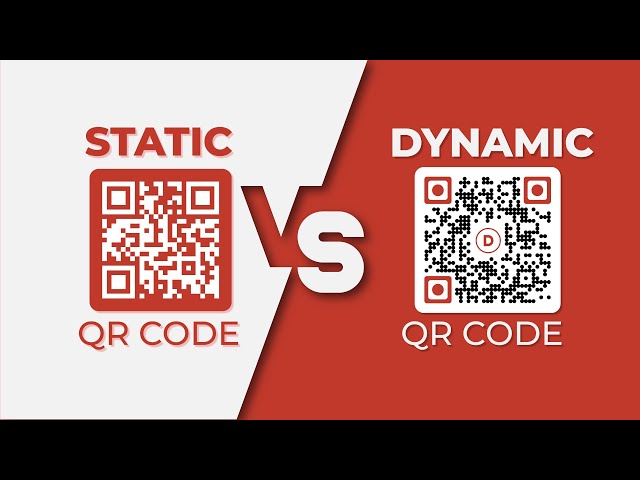
The key difference is the ability to edit content and track performance. Static QR codes cannot be updated and do not provide scan statistics. With dynamic QR codes, you can change the destination, analyse data, and manage the code from one place.
For instance, a marketing campaign may use a dynamic QR code to promote offers in different regions. The redirect URL can be updated by region based on the user’s location when they scan the code. You can also see how many scans occurred, when they happened, and which devices were used—information static QR codes do not provide.
Business and Marketing Benefits
Content flexibility is one of the main advantages. For long-running campaigns, there is no need to create a new code every time the offer changes. The same dynamic code can lead to a landing page, downloadable file, registration form, or video as needed.
Dynamic QR platforms can also make user-data tracking easier. Their analytics tools may show where users are located, which devices they use, and how often they scan. This information can help businesses assess and refine campaign performance.
They can also reduce printing costs. Once a code has been printed on packaging or in catalogues, its destination can be updated in the system instead of requiring a reprint, helping reduce waste and redesign expenses.
Practical Uses for Dynamic QR Codes
A coffee shop, for example, could print one dynamic QR code on every table. It might lead to the main menu today, a promotional offer next week, and a feedback form the week after—all through the same code.
In real estate, QR codes can be used to update information for each sales phase or direct visitors to introductory videos and interactive maps. Dynamic codes allow those destinations to be updated instantly without limits.
At conferences and events, organisers can use dynamic QR codes to update documents, direct attendees to post-event surveys, or switch the destination to a recording once the event has ended. This can improve the attendee experience without distributing paper materials.
How to Create a Dynamic QR Code
Several platforms support dynamic QR code creation, including:
QRCode-gen.com
Beaconstac
QR Code Monkey
Canva Pro, which supports redirects in its upgraded version
The basic process usually involves:
Choose the content you want to share, such as a link or file.
Customise the code’s appearance with colours, a logo, or other design elements. A custom QR design can help align it with your brand.
Enable the dynamic QR function.
Export the file and track scan data.
Create an account if you need access to tracking and link-editing features.
For brands looking to shorten the customer journey and improve communication efficiency, dynamic QR codes are a valuable tool. They provide flexibility, personalisation, and potential cost savings while connecting marketing activity with real consumer behaviour.
If you are running a communications campaign or want a more practical way to manage content, dynamic QR codes are a useful place to start.
Related Articles
Everything You Need to Know About Dynamic QR Codes
Static vs. Dynamic QR Codes for PDFs: Which Should You Choose?
Breakthrough Uses for Dynamic QR Codes Beyond the Restaurant Industry