QR codes have become an indispensable tool in modern business and daily life, powering contactless payments, instant authentication, digital menus, and cross-channel marketing campaigns. However, a common concern among users and businesses is do QR codes expire. With platforms like QRCode GEN, creating stable, permanent codes for long-term campaigns has never been easier.
What Is a QR Code and How Does It Work?
A QR code (Quick Response code) is a two-dimensional matrix barcode capable of encoding diverse data formats, including website URLs, plain text, Wi-Fi credentials, contact details, and payment information. When scanned by a smartphone camera or optical reader, the device instantly decodes the module grid into actionable digital content. QR codes are divided into two fundamental architectures:
- Static QR Codes: The raw payload (such as a URL, Wi-Fi key, or vCard) is hardcoded directly into the black-and-white pixel matrix.
- Dynamic QR Codes: The matrix encodes a short intermediary redirect URL hosted on a server, which then forwards the user to the target destination.
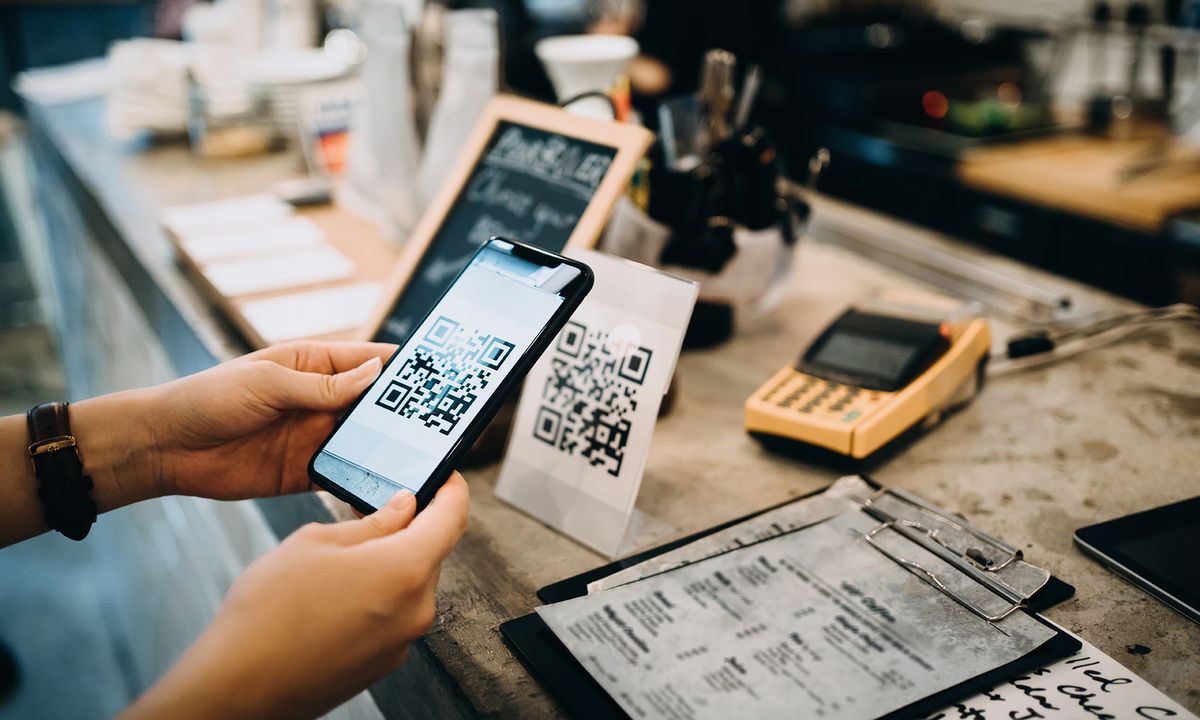
QR codes decode data instantly through static matrix modules or dynamic server redirects
>>> Read more: What is a QR code? Everything you need to know from A to Z
Do QR Codes Expire? Static vs. Dynamic Lifespan
Whether a QR Code expires depends on its type and how it is managed. Static QR Codes are generally permanent, while dynamic QR Codes rely on the platform and settings that support them.
Static QR Codes: Permanent by Design
Static QR codes never expire because their information is embedded directly into the physical pattern. Once generated, the code will remain optically readable forever without relying on external databases.
However, a static code can become functionally invalid if the embedded destination changes. If a static QR code contains a website URL that gets deleted, renamed, or moved, scanning the code will result in a 404 error because the hardcoded URL cannot be edited.
Dynamic QR Codes: Flexible Lifespan Depending on Settings
Dynamic QR codes route traffic through a host server. Because of this server dependency, their operational lifespan depends on how they are configured:
- Custom Expiration Timers: Creators can set campaign-specific time limits (such as 7 or 30 days for seasonal promotions).
- Platform Service Limitations: Many online generators lock dynamic routing behind expiring free trials or require ongoing paid subscriptions to keep codes active.
- Server Stability: If the host platform shuts down or the user deletes the asset from their dashboard, the redirect breaks.
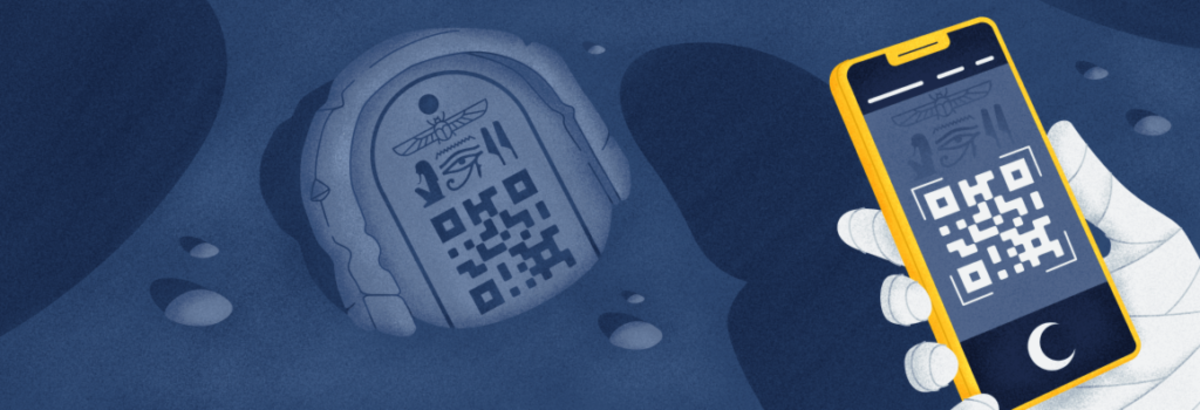
Static and dynamic QR Codes differ in lifespan and operational requirements
Key Factors Affecting the Lifespan of a QR Code
A QR Code’s lifespan is influenced by more than its static or dynamic format. Several practical factors can determine how long it remains functional and useful.
- The Generation Service: The choice of QR platform is the primary factor determining dynamic code longevity. Restrictive generators deactivate dynamic links after a trial period, while dedicated platforms maintain active routing without time limits.
- Campaign Purpose and Scope: Short-term promotional events and seasonal discounts often use scheduled expiration dates, whereas corporate branding, product packaging, and asset inventory labels require permanent operational lifespans.
- Target Destination Stability: A QR code is only as durable as the content it links to. If the external website, cloud document, or database server goes offline, the code fails to deliver value to the user.
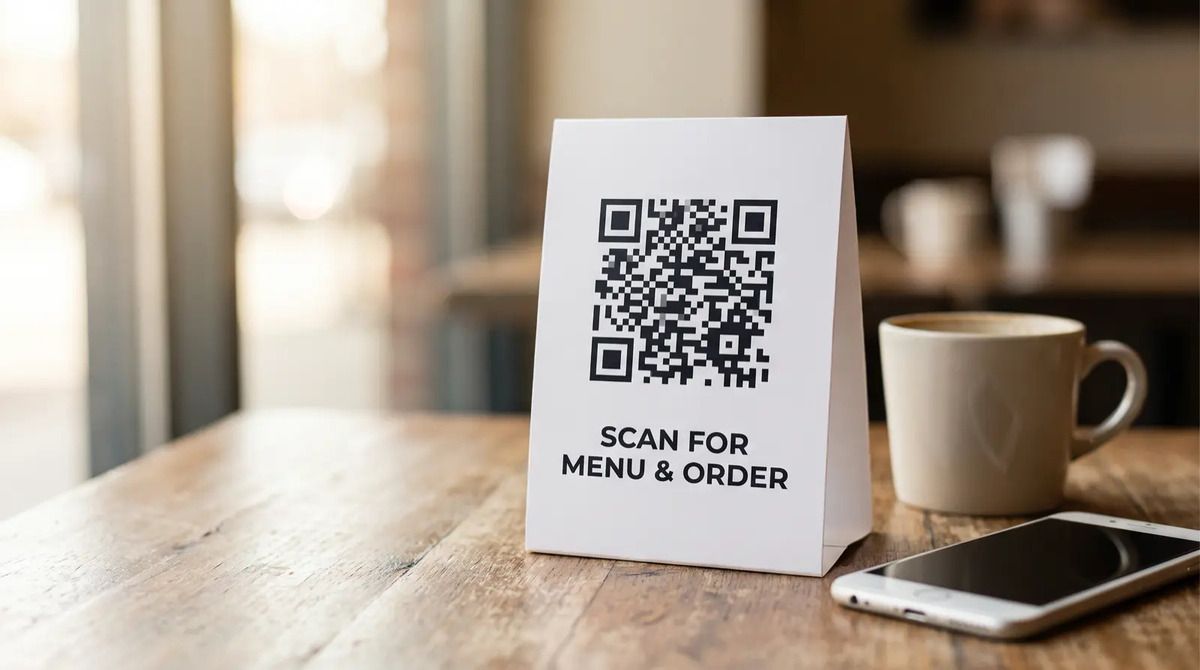
Platform policies, campaign objectives, and destination server health determine code longevity
Common Reasons Why QR Codes Stop Working
QR Codes can stop working due to a range of digital and physical issues. Broken or moved URLs may make the destination inaccessible, while expired platform trials or scan limits can deactivate dynamic QR Codes. These problems are especially common when the code depends on a third-party service to manage its redirect.
Physical condition also plays an important role in scan reliability. Scratches, fading, poor color contrast, or insufficient quiet zones can interfere with camera sensors and prevent the QR Code from being decoded correctly.
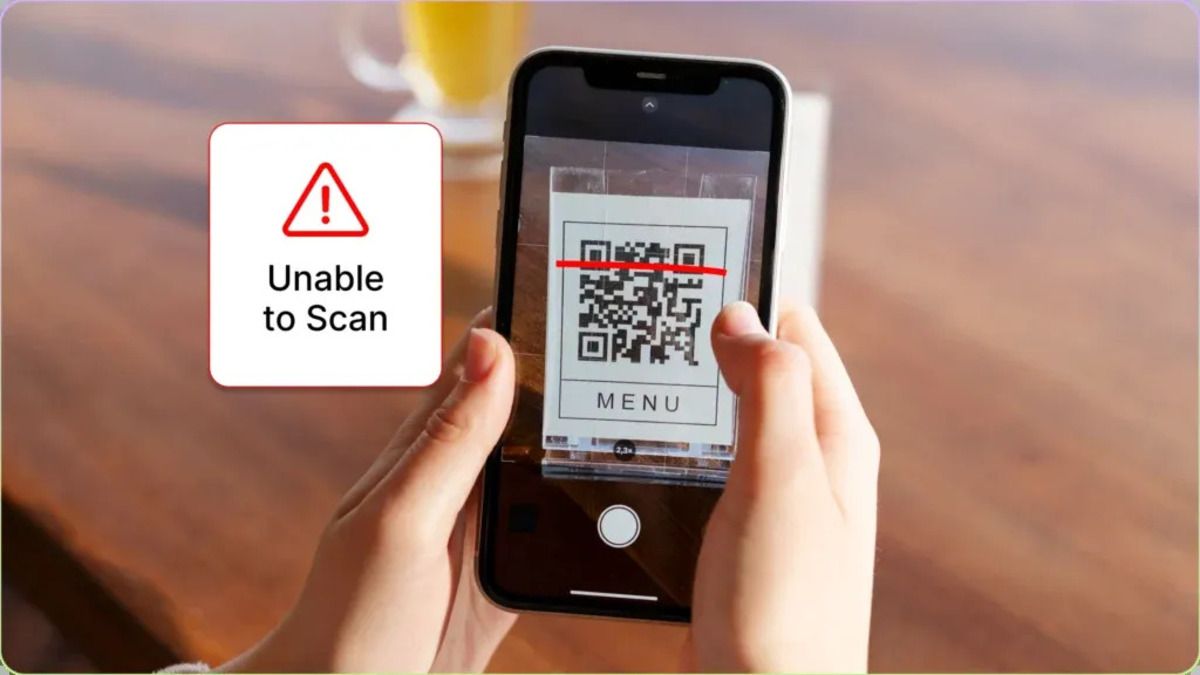
Broken links, trial cutoffs, scan limits, and physical wear cause scanning failures
Create Free QR Codes with No Expiration Limit
Finding a platform that offers long-term reliability is critical for physical print runs and ongoing marketing campaigns. High-quality generators provide lifetime validity for both static and dynamic codes without unexpected expirations.
- Permanent Dynamic & Static Codes: Sustainable tools keep dynamic redirect paths permanently active without forcing paid renewals or deleting assets after a set timeframe.
- No Hidden Scan Caps: Codes remain operational regardless of traffic volume, making them safe for large-scale distribution on packaging, banners, and retail displays.
- Comprehensive Customization: Built-in design tools allow creators to customize colors, adjust module shapes, add CTA frames, and integrate brand logos while preserving scan integrity.
- High-Resolution Vector Exports: Exporting in scalable formats like SVG and high-resolution PNG ensures clean edges and reliable scanning at any print size.
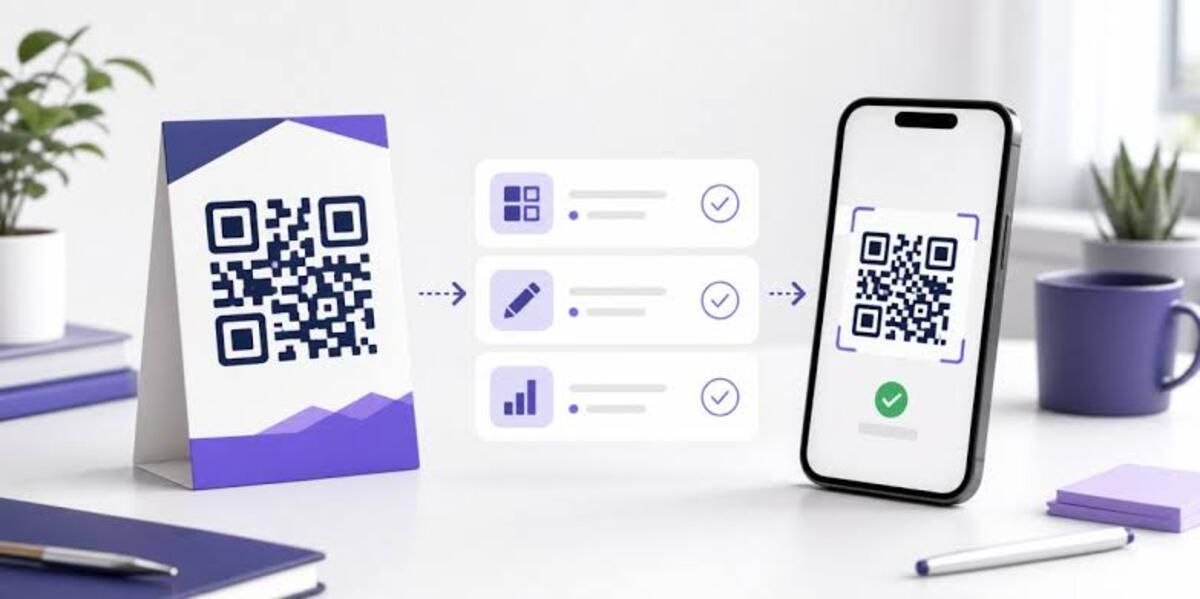
Reliable generators offer permanent dynamic redirects without scan caps or paywalls
Best Practices to Ensure Your QR Codes Last Forever
To maximize the lifespan of your QR Codes, focus on both the digital destination and the quality of the printed code. Using dynamic links, stable hosting, scalable vector files, and appropriate sizing can help maintain reliable performance over time.
For printed materials, dynamic QR Codes allow you to update the destination without replacing the code. Meanwhile, stable HTTPS hosting helps prevent broken links, while scalable vector formats preserve image quality at different sizes.
Proper sizing and spacing are equally important for long-term scanability. Follow an appropriate sizing ratio, keep the quiet zone unobstructed, and regularly test your QR Codes across multiple iOS and Android devices to ensure they continue to work correctly.

Use dynamic links, stable hosting, scalable vectors, and proper sizing ratios.
Frequently Asked Questions (FAQ)
Do free dynamic QR codes stop working after a trial?
On many commercial platforms, dynamic codes deactivate after a 7-day or 14-day trial unless you upgrade. However, transparent platforms provide free dynamic codes that do not expire and require no maintenance fees.
Can I fix a printed QR code if the destination link breaks?
If the printed code is dynamic, you can update the destination URL instantly from your dashboard without changing the physical graphic. If it is static, the code cannot be edited and must be reprinted.
Do Wi-Fi or vCard QR codes expire when my details change?
Static Wi-Fi and vCard codes never expire, but they cannot update their stored information. If your Wi-Fi password or phone number changes, you must generate and print a new code.
Does deleting my generator account break my live codes?
Yes, for dynamic codes. Deleting the account hosting the dynamic redirect removes the routing link from the server. Static codes remain unaffected because they operate without server dependency.
QR codes do not expire on their own, making them one of the most reliable bridges between offline media and digital assets. Whether your code lasts for a single event or remains functional for years on product packaging depends on selecting the right architecture, using static codes for unchangeable local data and dynamic codes for trackable, editable campaigns. By following standard printing best practices, keeping destination links active, and choosing a trusted platform that provides unrestricted scans with no expiration limits, you can ensure your QR codes deliver seamless, long-term performance.