For a global brand such as Starbucks, technology is central to the customer experience—not merely a supporting tool. It can improve convenience, support promotional activity, and contribute directly to sales growth. QR codes are one of the brand’s most flexible tools for connecting digital channels with in-store interactions.
This article looks at how Starbucks has used QR codes strategically to attract customers, streamline promotions, and strengthen its position in the global food and beverage industry.
Starbucks and the Digital Transformation of Customer Experience
Putting Customers First
Since the 2010s, Starbucks has stood out for its customer-focused approach, shaping everything from store atmosphere and music to personalized menus and loyalty programs. As smartphones became part of everyday life, the company adapted quickly to meet customers in that digital environment.
The Starbucks App and Digital Ecosystem
The Starbucks App includes features such as:
Ordering ahead
Earning and redeeming rewards
Viewing personalized offers
Cashless payment
At the center of this digital journey is the QR code.
How Starbucks Uses QR Codes
1. Faster, More Convenient Payments
Rather than paying with cash or a physical card, customers can:
Place orders through the app
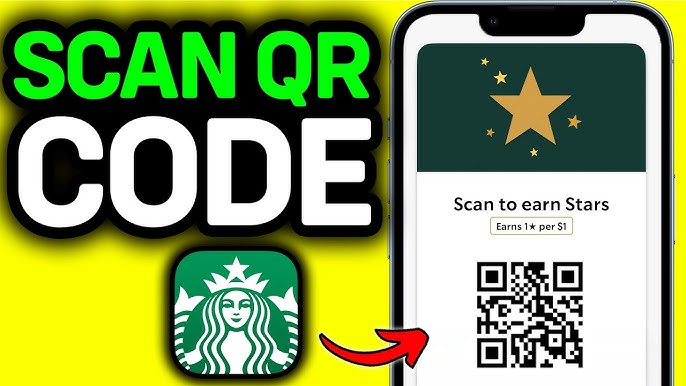
Pay by scanning their personal QR code
Receive rewards immediately after each transaction
QR-based payment can speed up checkout, reduce waiting time, and create a smoother customer experience. Businesses exploring similar workflows can consider a payment QR code.
2. QR Codes as the Key to Loyalty Programs
With each purchase, customers scan their membership QR code. Starbucks uses the scan to:
Record purchases
Add reward points automatically
Personalize offers based on purchase behavior
These codes allow Starbucks to build individual customer behavior profiles, supporting timely recommendations and relevant offers that encourage repeat purchases.
3. Connecting Online Campaigns with Physical Stores
QR codes can serve as the link in campaigns such as:
“Buy 1 Get 1 Free”
“Collect Stamps, Redeem Cups”
“Share a QR Code to Gift a Friend”
Customers receive a code by email, social media, or the website, bring it to a store, scan it at the counter, and receive the offer.
This approach enables Starbucks to measure the effectiveness of each marketing channel and follow conversions from online engagement to in-store purchases.
4. Customer Engagement and Surveys
In some markets, Starbucks prints QR codes on receipts or cups that lead to:
Short surveys with two or three questions
Reward points or gifts for participants
This gives the brand a way to collect feedback without interrupting the customer experience.
The Impact of QR Code Adoption
Encouraging More Frequent Purchases
Customers can earn rewards, receive tailored offers, and order ahead with a simple scan. This encourages repeat purchases.
Making Better Use of Behavioral Data
By connecting QR codes to individual accounts, Starbucks gains insight into:
Favorite drinks
Typical purchase times
The channels that generate the most effective offers
These insights can inform product improvements and more personalized strategies.
Creating a Smoother Customer Experience
Customers no longer need to remember loyalty card numbers or ask staff about available promotions. They can open the app and scan, creating a more seamless experience that builds stronger brand loyalty.
Starbucks’ Successful QR Code Campaigns
“Starbucks for Two”: Share and Get Rewarded
In China, Starbucks launched the “Starbucks for Two” campaign. Users shared a QR code to invite a friend for coffee, and both received special offers. The results included:
Millions of shares in the first week
A surge in sales during the two-week campaign
“Scan to Win”: A Chance to Receive Prizes
In the United States, Starbucks ran a campaign inviting customers to scan QR codes on their cups for a chance to win prizes. Each purchase offered an opportunity to win, from limited-edition cups to free coffee.
What Businesses Can Learn from Starbucks’ QR Code Strategy
1. Build an Ecosystem Around Customer Behavior
QR codes are more than a payment method. They can connect the customer journey across rewards, special offers, surveys, and shareable marketing campaigns.
2. Use QR Codes for Marketing and Operations
Print codes on packaging to direct customers to branded content.
Use QR codes to guide customers to chatbots, e-commerce sites, or mini-games.
Integrate QR codes with Zalo OA, TikTok Shop, and other platforms to boost conversions.
For packaging, campaign materials, and other printed touchpoints, a dynamic QR code can keep the destination editable after distribution.
3. Personalization and Measurement
When each customer has a unique code, every action can be tracked. With sufficient data, businesses can better understand their customers and engage them at the right time.
Starbucks shows that QR codes can be more than a convenient technology; they can be a strategic tool for increasing sales, improving the customer experience, and building loyalty. Behind every scan is a data-driven ecosystem.
Vietnamese businesses, particularly in food and beverage, can apply this approach flexibly—not simply to follow a trend, but to create tangible value for customers and revenue.