QR Code Marketing: 7 Critical Mistakes That Hurt Conversion Rates
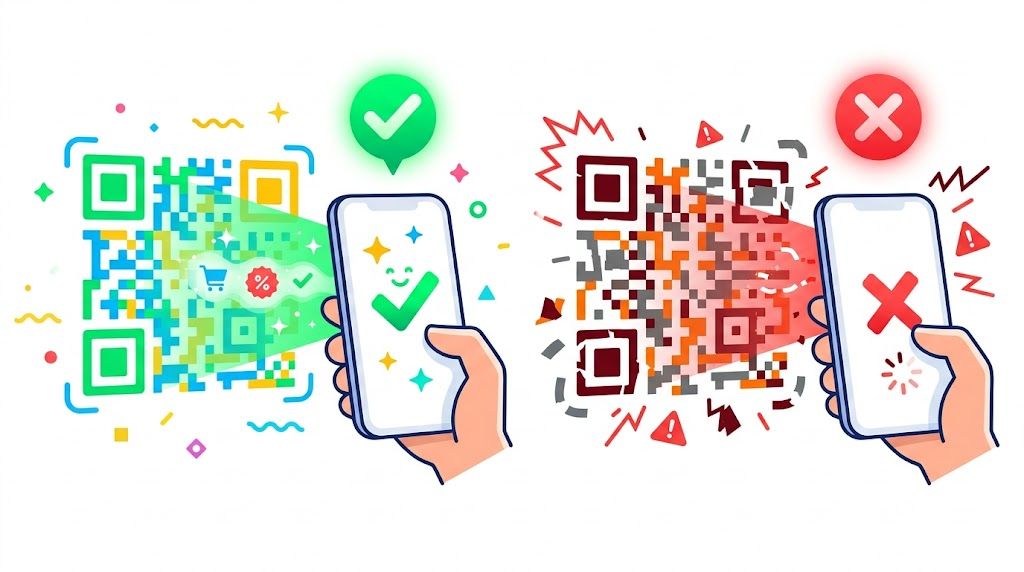
QR codes now connect physical marketing materials to digital storefronts across the US retail and service landscape. But widespread use does not guarantee strong results. Poorly planned codes can frustrate users, fail to scan, or lead to irrelevant digital experiences. These problems are rarely technical accidents; they are strategic oversights that can weaken brand perception and waste marketing spend.
To make your mobile engagement strategy work harder, look beyond the black-and-white pattern. The following mistakes can undermine scannability and user engagement—and show where to improve.
1. Prioritizing Aesthetics Over Scannability
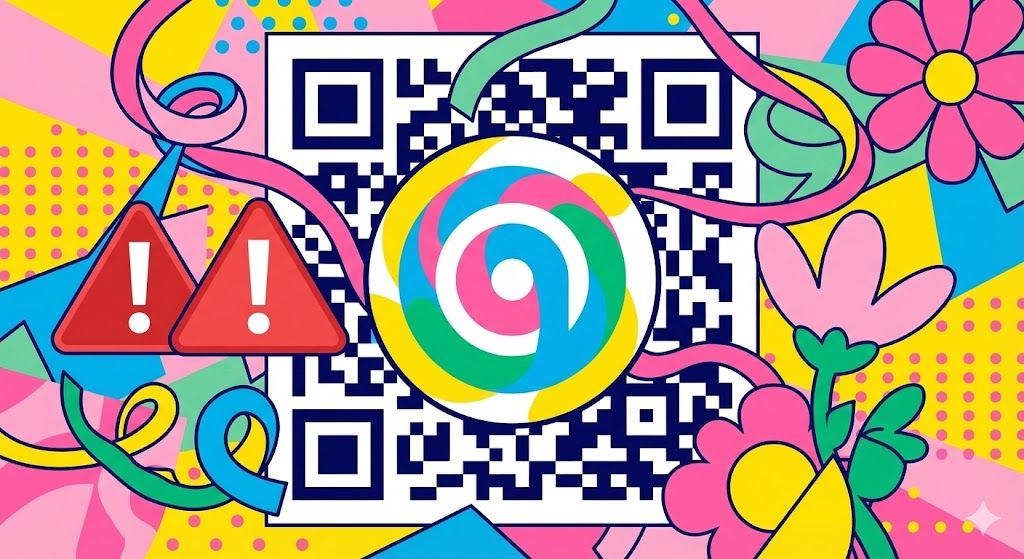
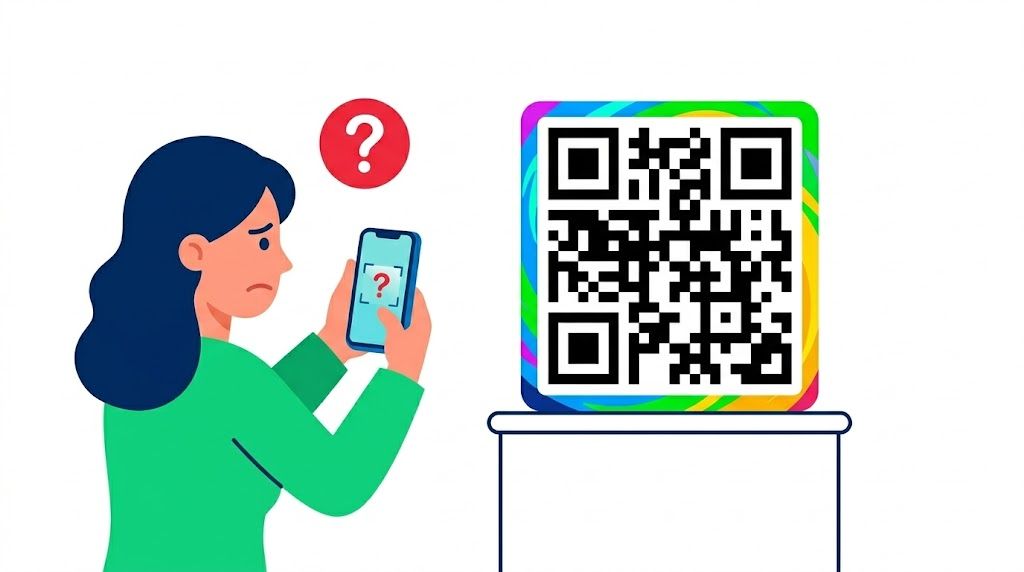
Custom branding matters, but an overdesigned QR code can quickly become unusable. Common mistakes include low-contrast color combinations, such as light gray on white, and oversized center logos that cover too much of the code’s data pattern.
To scan reliably across smartphone models, a QR code needs strong contrast and a clear quiet zone—the blank border around the code. If the design is too complicated, a phone camera may struggle to focus on it, resulting in a failed scan and a lost customer. Put functional clarity first, then add visual styling. A well-executed custom QR design can support your branding without compromising readability.
2. Ignoring Context and Landing Page Experience
Sending people to a generic homepage is one of the fastest ways to break intent in a QR campaign. When someone scans a code on a specific product package, they expect to reach that product’s manual, warranty registration, or reorder page—not a general “About Us” section.
The destination also needs to be fully optimized for mobile. If users scan a code and land on a desktop-style page that requires pinching and zooming, they are likely to leave right away. A QR code is a mobile entry point, so the experience after the scan must be mobile-first as well.
3. Packing Too Much Data Into Static Codes
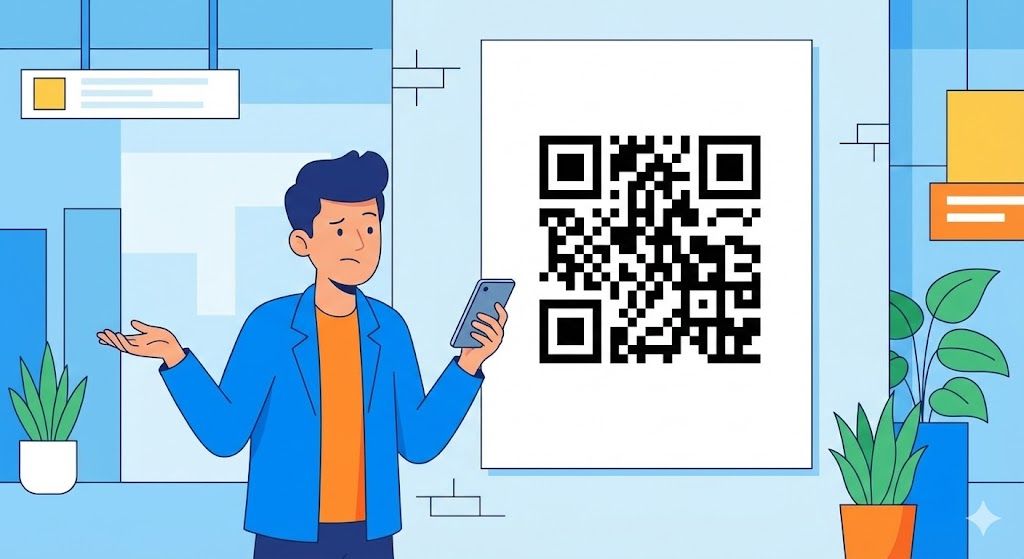
The more data a QR code contains, the denser its pattern becomes. When long text or complex URLs are embedded in a static code, its modules become smaller and more crowded. That can make the code difficult to scan, especially in small printed formats.
Use shortened URLs or dynamic QR codes to keep the pattern cleaner and easier to scan. A simpler code is easier for cameras to read quickly, including from a distance or in lower-light conditions.
4. Leaving Out a Clear Call to Action
A QR code without context is a mystery, and most people will not scan a mystery. Without a clear call to action, you are relying entirely on curiosity, which is not a scalable marketing strategy.
Every deployment should include simple instructional text. Use wording such as “Scan to View Menu,” “Scan for 20% Off Your Next Order,” or “Scan to Join Our Wi-Fi.” When people know exactly what they will get, they are more likely to scan.

5. Skipping Real-World Testing
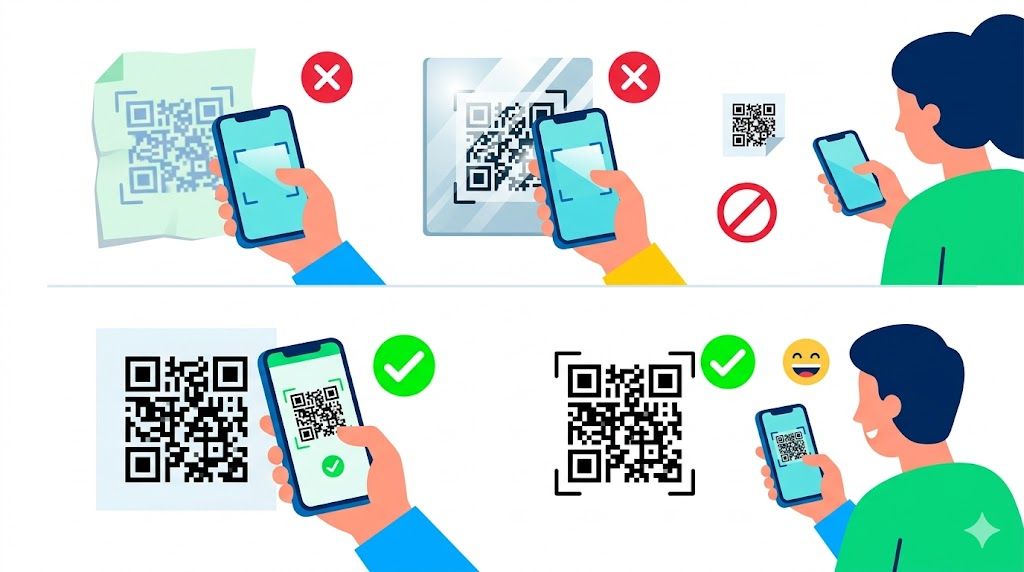
A QR code that works perfectly on a high-resolution monitor may perform poorly on a matte business card or glossy billboard. Lighting, scanning distance, and reflections from the printed material can all affect performance.
Before approving a large print run, test the code on several devices, including both iOS and Android phones, and under different lighting conditions. A code placed too high on a banner or printed too small on a flyer creates a barrier instead of a bridge.
6. Using Unreliable or Low-Resolution Generators
QR code quality starts with the tool used to generate it. Some free generators produce low-resolution files that blur when enlarged for print, which can lead to unreadable patterns or broken links.
Professional marketers need a versatile tool that supports formats ranging from vCards and Wi-Fi credentials to dynamic URLs and digital menus, while also providing high-definition downloads. Qrcode-gen offers customization options to help keep codes sharp and functional across marketing materials.
7. Failing to Track and Analyze Data
In the US market, data matters. Without dynamic QR codes that support scan tracking, you are working without a clear view of performance. You need to understand which locations, times of day, and creative designs generate the most engagement. Without that information, it is difficult to optimize a campaign or demonstrate the effectiveness of your marketing spend.
The Bottom Line: QR codes can support frictionless commerce, but they need strategic execution. Focus on scannability, communicate value through clear calls to action, test codes in real conditions, and use professional tools to turn a simple square into a more effective gateway to your brand.